


Environmental Services
Waste Classification and Soil Testing
Unclassified waste can stop a project fast. Without the right soil testing and waste classification report, landfill facilities may reject material, disposal costs can escalate and site works can be delayed while compliance issues are resolved.
Waste Classification for disposal can be performed on solid waste (soils), liquid waste and organic waste materials. The classification can be crucial to the reuse or disposal of a material and provide economic benefits to the outcome of any construction project. Classifying waste is a very important exercise for any waste producer willing to comply with their legal duty of care and to avoid potential fines. Licensed landfill sites will not accept material that doesn’t have an adjoining waste classification.
NSW EPA Waste Classification Guidelines
The investigation of soils for re-use onsite or offsite disposal is heavily regulated by the NSW EPA. By having those materials independently tested, you can demonstrate to transporters, receiving sites and landfills and local councils that the classification and disposal have been conducted in accordance with the NSW EPA Waste Classification Guidelines, 2014.
Correct classification is the foundation for ensuring that the collection, transportation, storage and treatment of waste is carried out in a manner that provides protection for the environment and human health and in compliance with legal requirements.
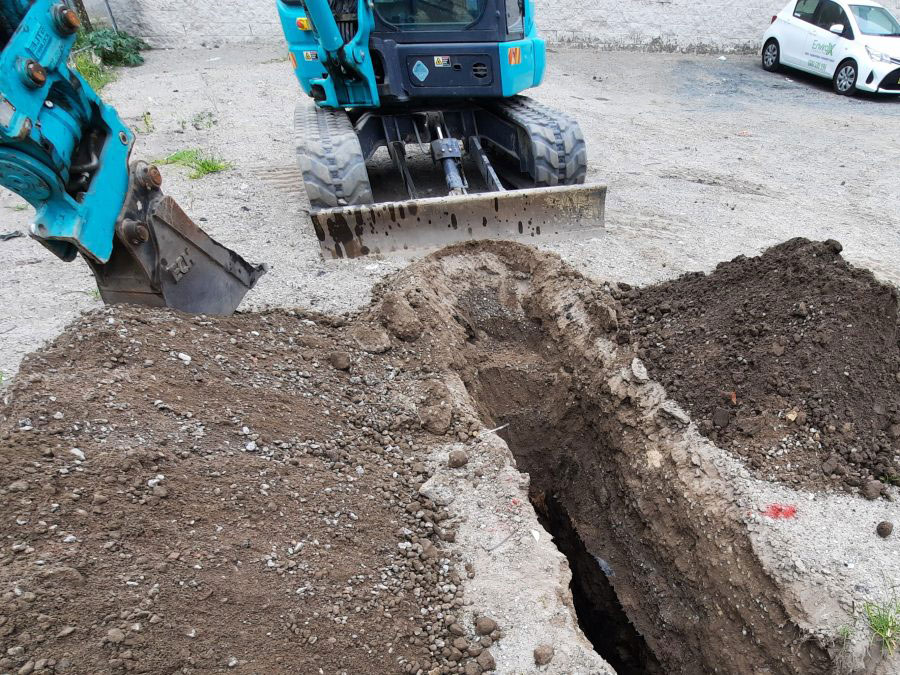
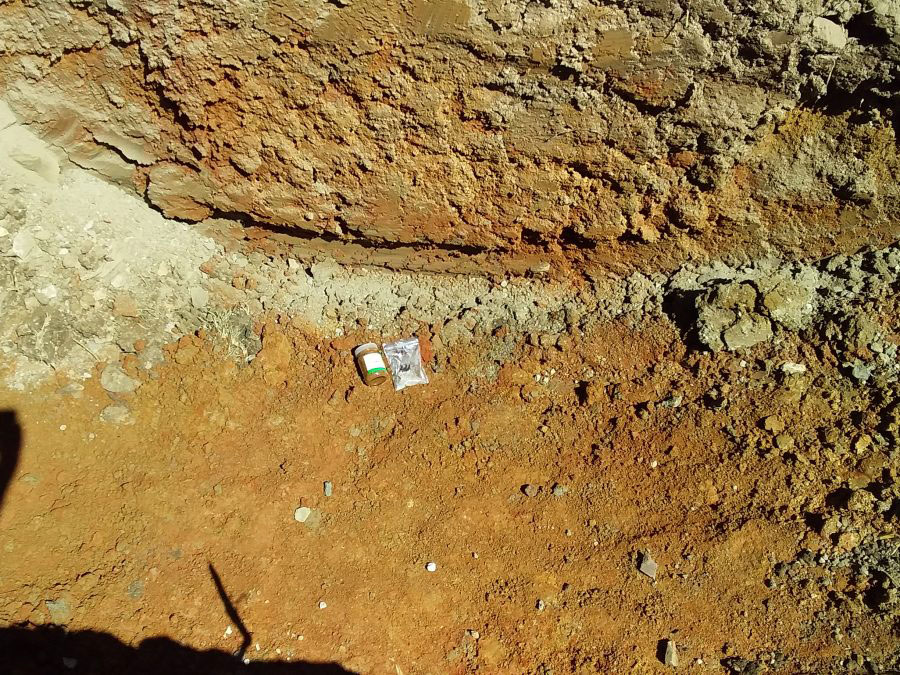
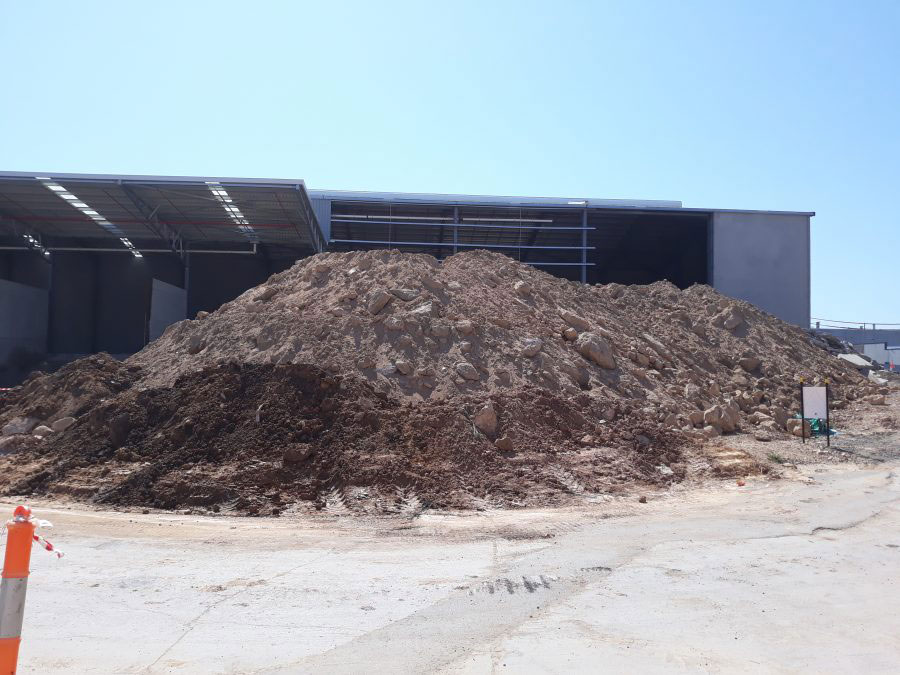
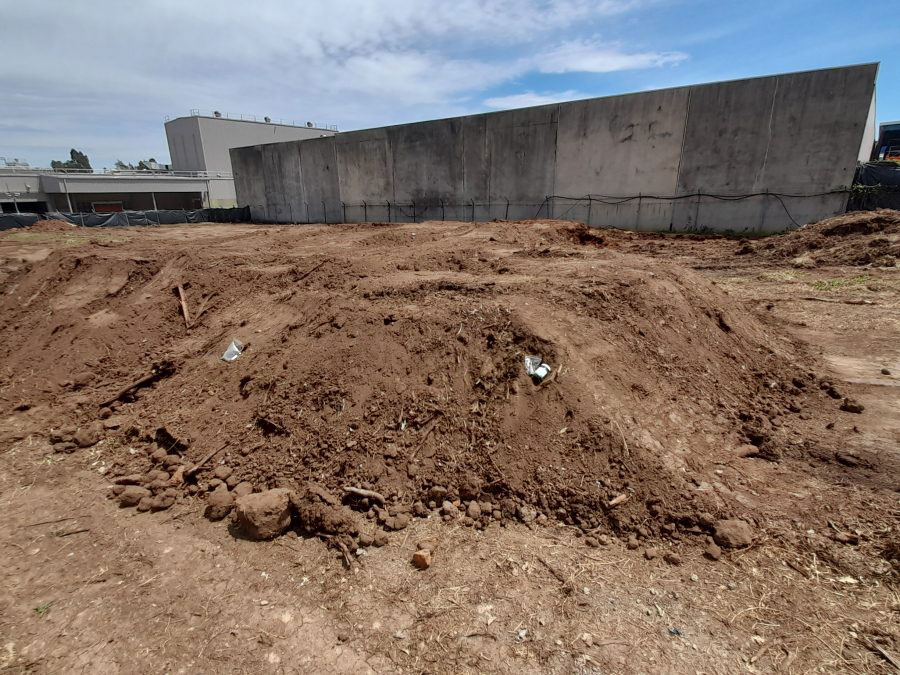
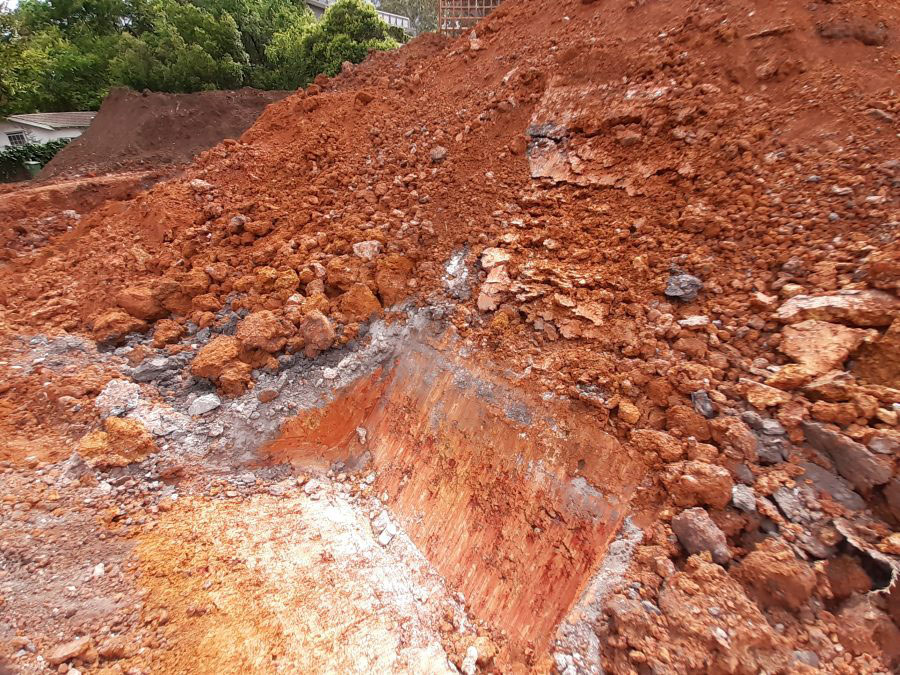
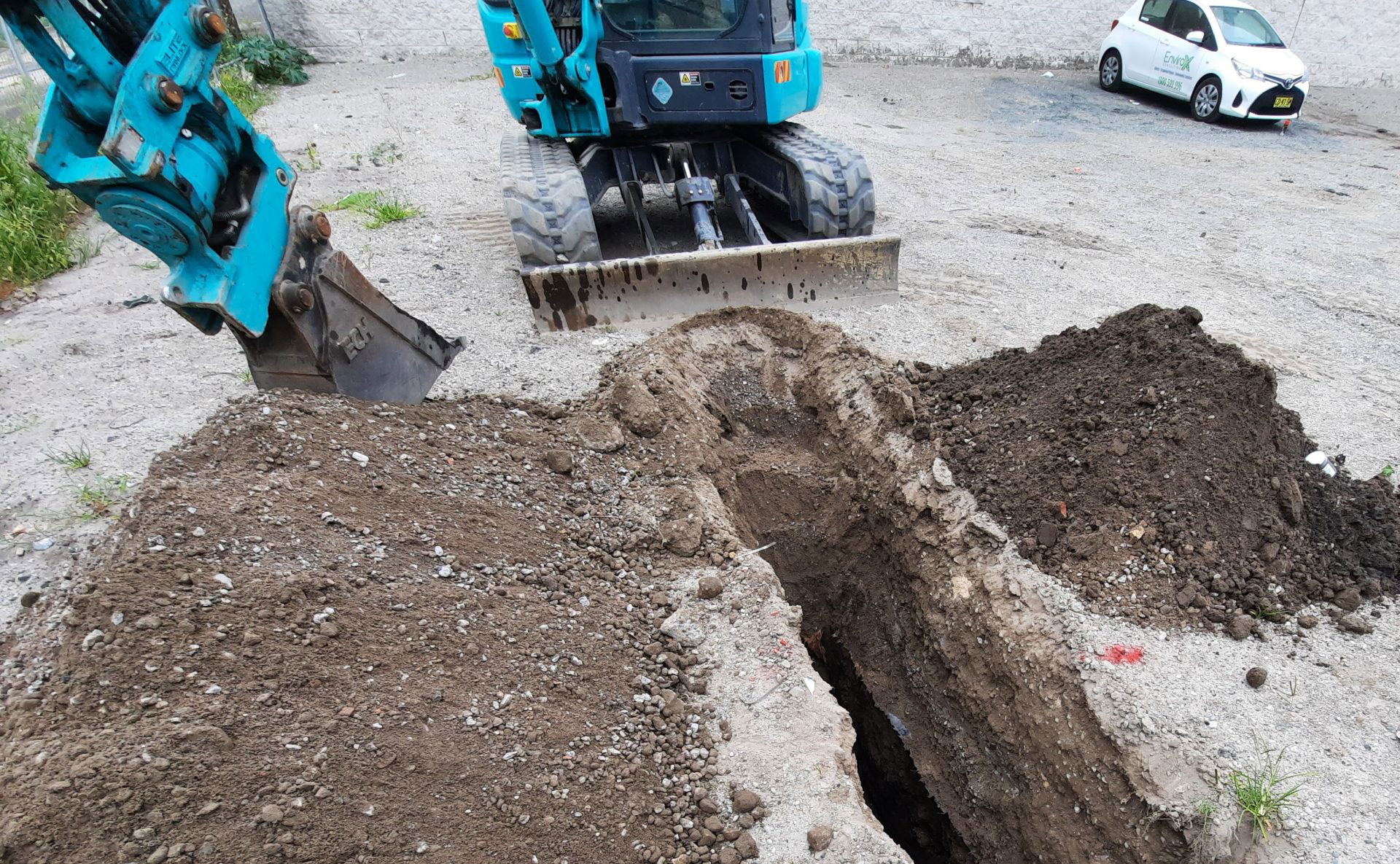
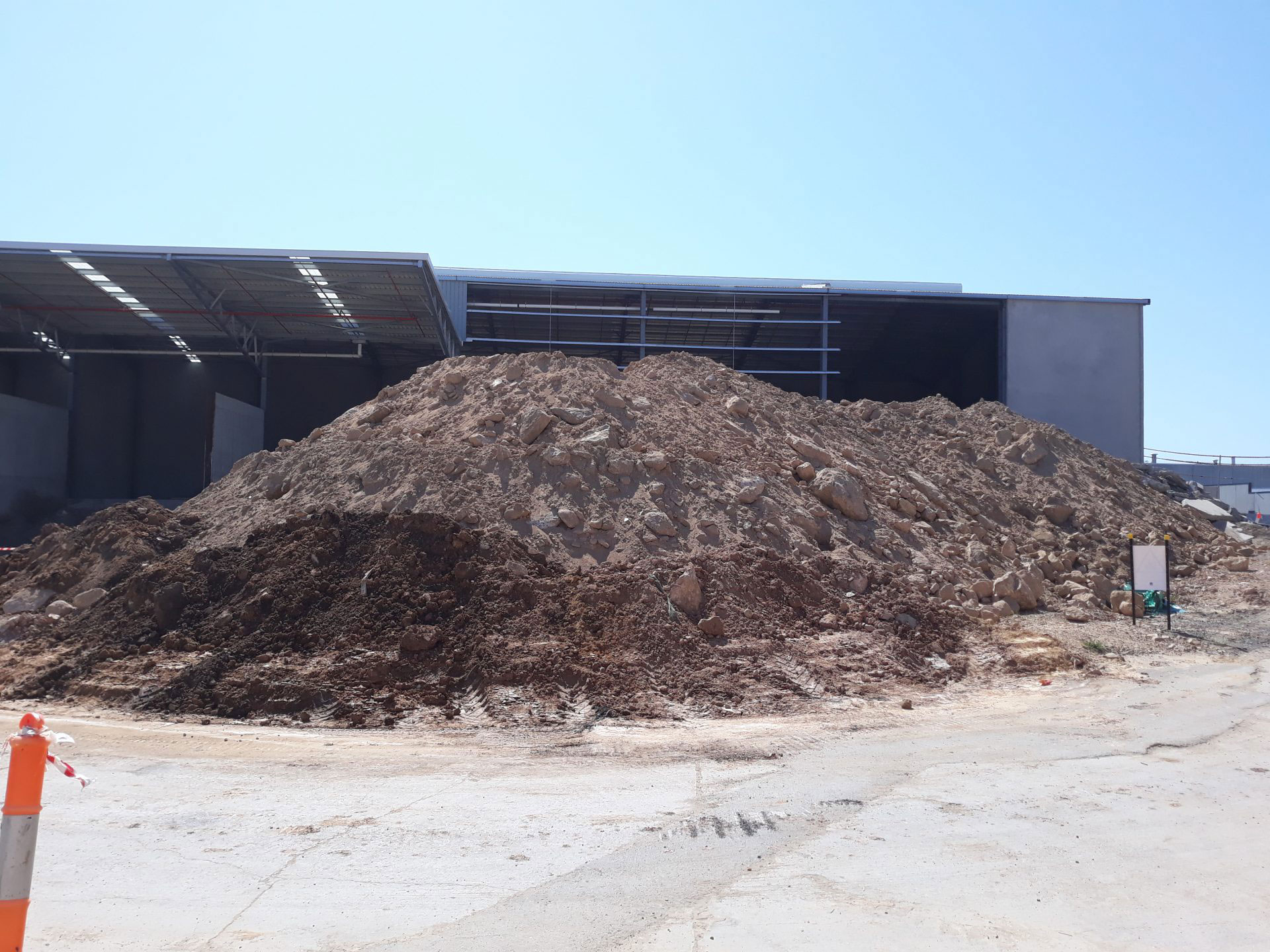
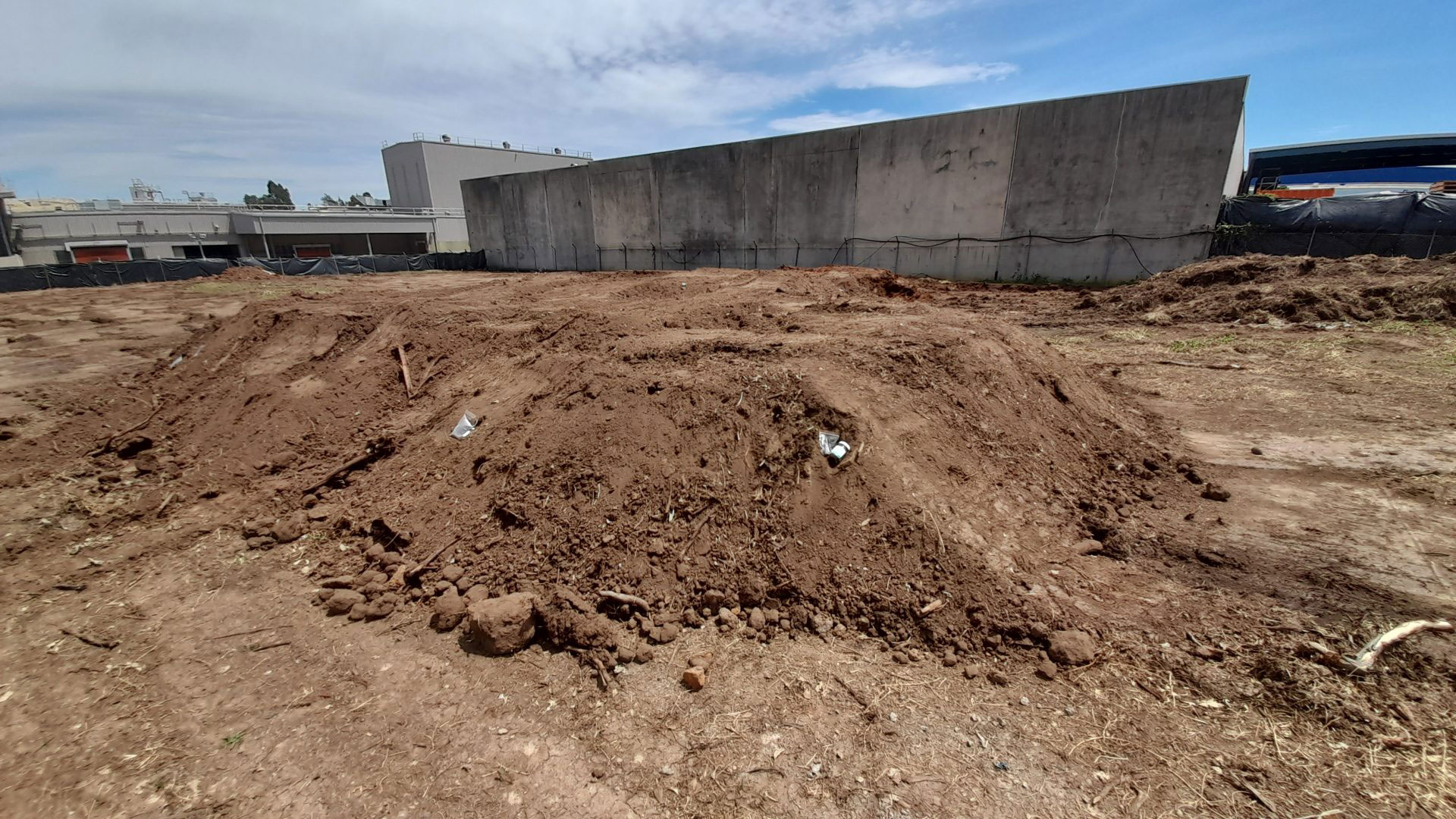
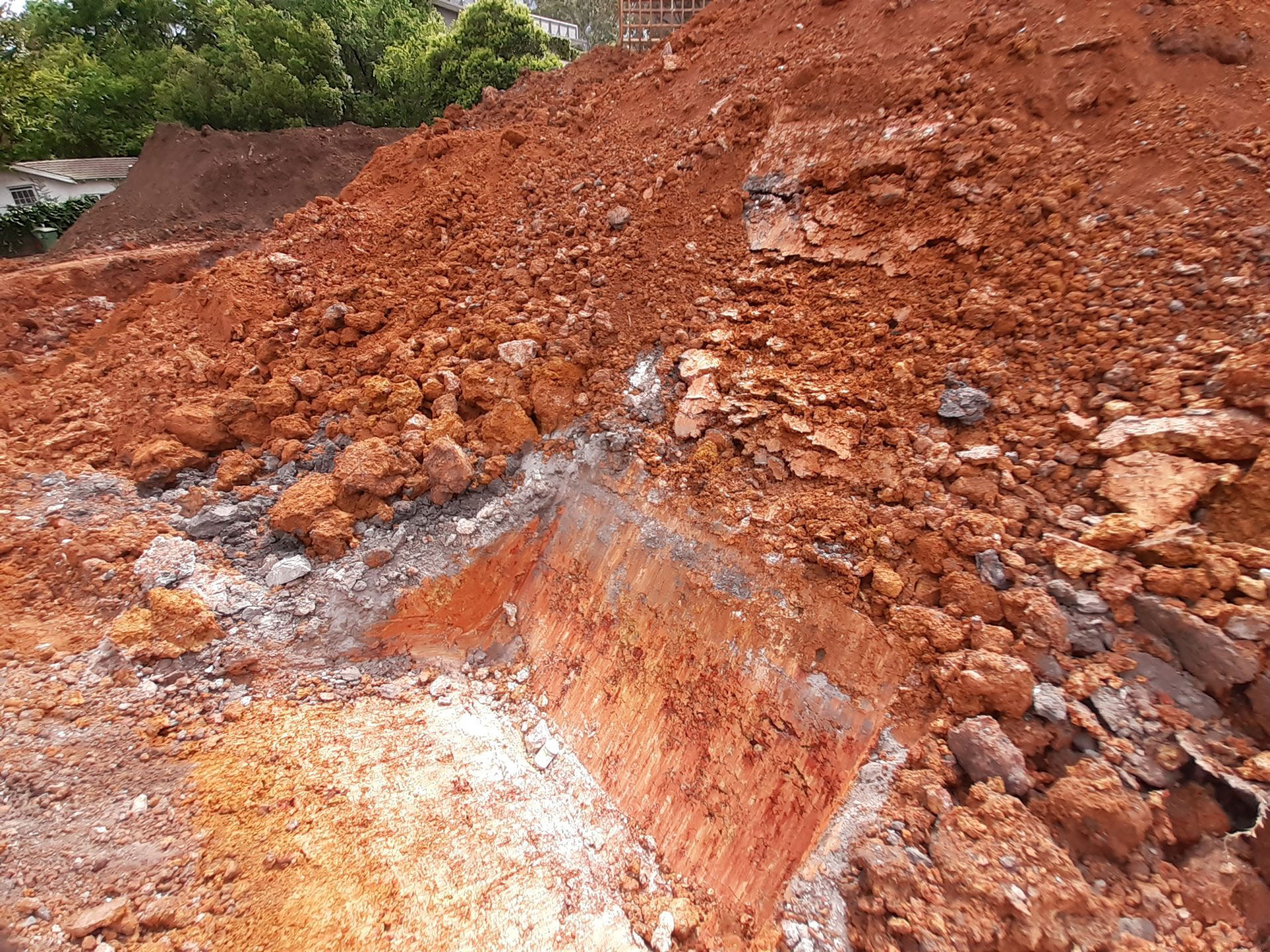
Samples can be collected and pre-classified either in-situ for immediate disposal or when excavated material has been temporarily stockpiled. Sampling in-situ and pre-classification of soils can be useful for forward planning of quantities and costs, and help eliminate construction delays and double handling.
How EnviroX Can Help
EnviroX is able to provide soil testing to classify soil material (waste) into one of 6 categories depending on contaminants and at what concentrations they are found in within the waste matrix.
The following six classes of waste are defined in clause 49 of Schedule 1 of the Protection of the Environment Operations Act 1997 (POEO Act):
- Special waste
- Liquid waste
- Hazardous waste
- Restricted solid waste
- General solid waste (putrescible)
- General solid waste (non-putrescible).
Refer to the following link for details on the different types of classifications:
http://www.epa.nsw.gov.au/resources/wasteregulation/140796-classify-waste.pdf
Practical Advice. Clear Disposal Pathways.
EnviroX’s consultants bring years of experience in waste classification and soil testing across construction, demolition, infrastructure and development sites. We assess materials accurately, interpret results against the relevant NSW EPA requirements and provide clear recommendations for reuse, treatment or lawful disposal.
With fast turnaround, independent testing and practical reporting, we help reduce delays and avoid rejected loads. Book soil testing or waste classification support for your project, or reach out to us for a quote or more information.
FAQs
What are the NSW waste classification guidelines?
The NSW waste classification guidelines are issued by the NSW EPA. They provide a step-by-step process for classifying waste so it can be lawfully handled, transported, treated or disposed of. The guidelines help waste generators identify whether material is special waste, liquid waste, hazardous waste, restricted solid waste, general solid waste putrescible or general solid waste non-putrescible. They also clarify that waste generators are responsible for correctly classifying the waste they produce.
How is putrescible waste classified and tested?
Putrescible waste is generally material capable of significant biological transformation, such as organic waste that can decompose and generate odours, leachate or gas. Under the NSW EPA process, waste is first assessed to determine whether it’s special waste, liquid waste, pre-classified waste or waste with hazardous characteristics. If chemical assessment shows the material is general solid waste, further assessment can determine whether it’s putrescible or non-putrescible. If that further assessment is not undertaken, the material must be managed as general solid waste putrescible.
What is an end-of-waste classification in NSW?
An end-of-waste classification generally refers to a point where a waste material is assessed as suitable for a specific reuse pathway rather than disposal as waste. In NSW, this is commonly managed through NSW EPA resource recovery orders and exemptions, which set conditions for how certain recovered materials can be used.
Waste classification itself does not assess whether material is suitable for land application or use as fuel. Those reuse pathways are considered separately under resource recovery orders and exemptions.
How does EnviroX perform soil and waste testing?
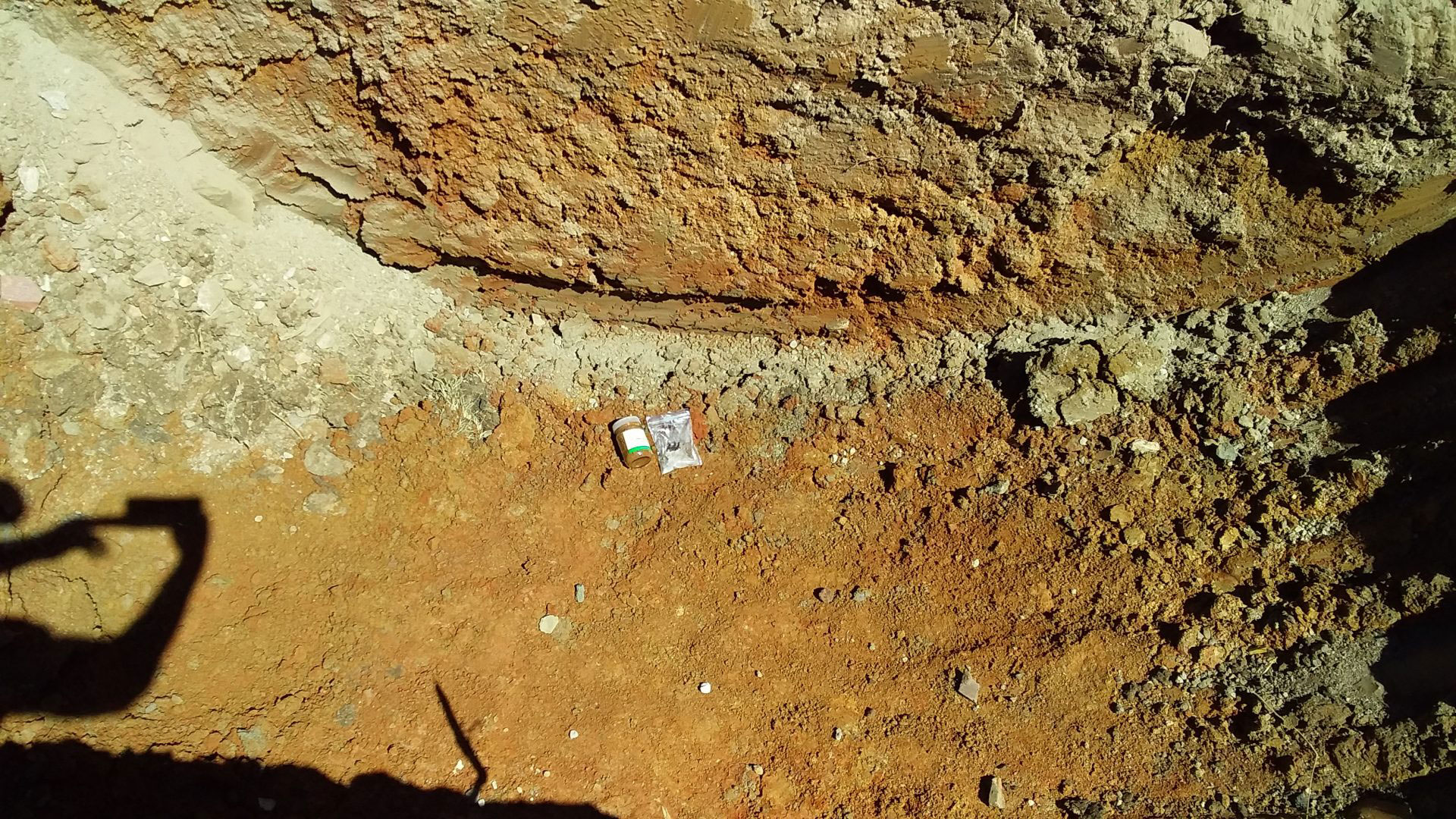
EnviroX performs soil and waste testing by inspecting the material, taking representative samples and arranging laboratory analysis where required. Results are assessed against the relevant NSW EPA waste classification guidelines to determine the appropriate waste category and disposal or reuse pathway.
Depending on the project, testing may consider contaminants, soil conditions, waste type and the requirements of receiving facilities. EnviroX then provides a clear report that helps builders, developers, contractors and property owners make compliant decisions about transport, disposal, treatment or further investigation.
Why is waste classification important for construction projects?
Waste classification is important because excavated soil, demolition material and other construction waste usually cannot be sent to a licensed facility without the correct documentation. A valid classification helps avoid rejected loads, site delays, unexpected disposal costs and regulatory issues. It also supports safer handling, transport and storage by identifying the level of risk posed by the material. For builders, developers and project managers, proper classification gives receiving facilities, councils and transporters the information they need to accept and manage the waste lawfully.