



Asbestos Inspection
What circumstances would I need an asbestos inspection in Sydney?
If you are renovating or plan to knock down a house that was built prior to 2004, there is a chance that it may contain asbestos. Approximately one–third of all homes built in Australia contain asbestos–containing materials (ACMs). As a general guideline, if your house was built before the mid-1980s, it is highly likely that asbestos–containing materials may be present. If your house was built between the mid-1980s and 1990, it is likely that it may have some asbestos containing materials present. If your house was built between 1990-2004 is it unlikely but not unheard of to contain asbestos–containing materials. If it was built post 2004, then it is very unlikely to contain asbestos materials due to legislation rolled out within Australia at the end of 2003.
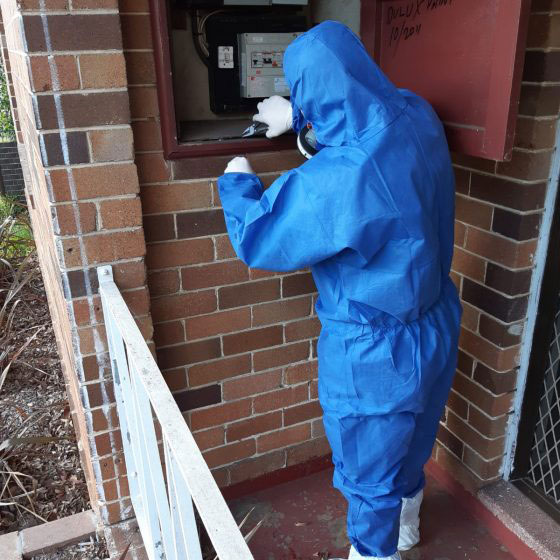
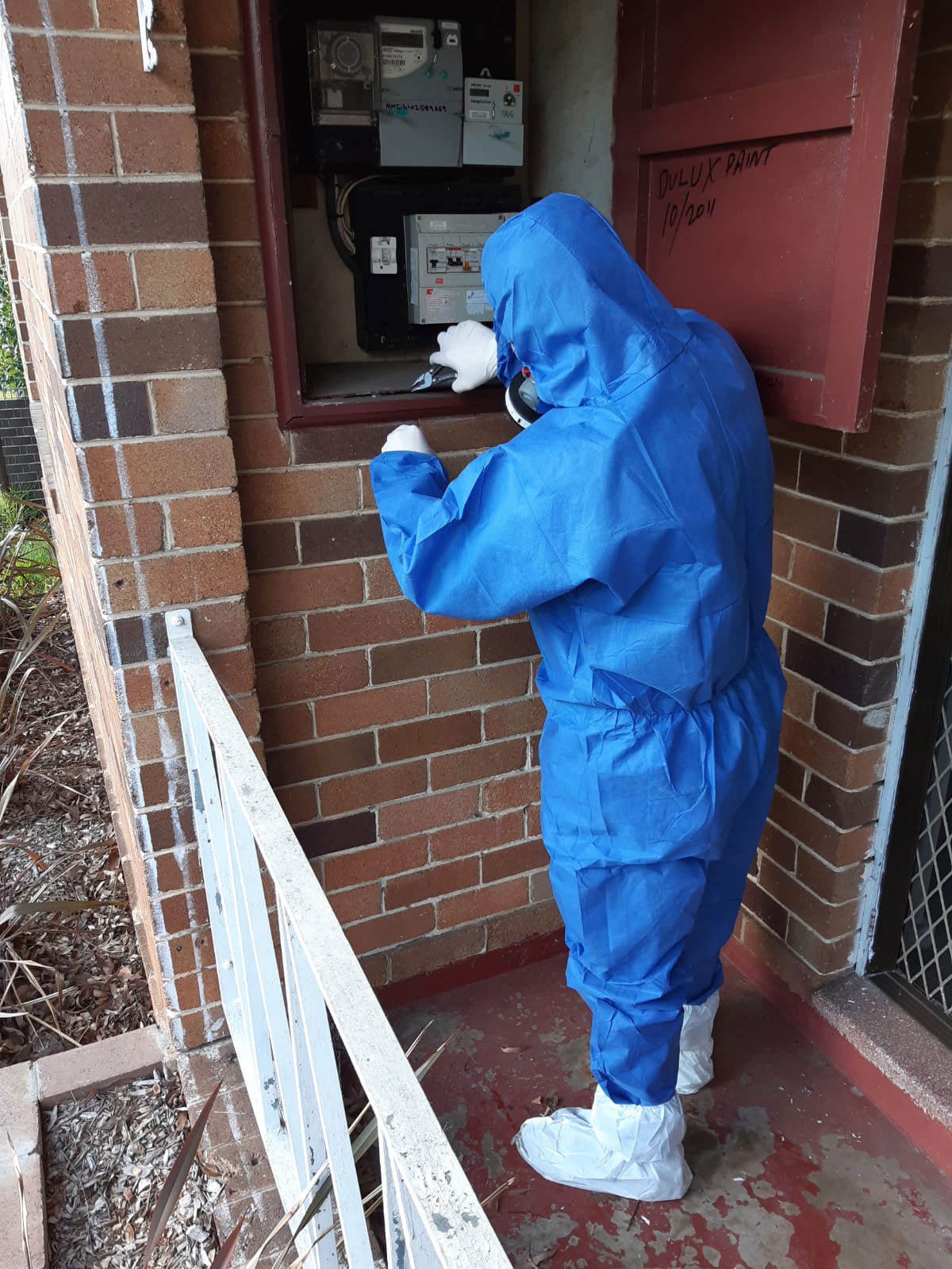
Under our current legislative codes of Practice revolving around asbestos, it cannot be dealt with by any person who does not have the respective licenses, tickets, training and Personal Protective Equipment (PPE).
Since there is little to no documentation of where or when asbestos sheeting was installed back in the day, we now have Asbestos Inspections that will help us identify on their exact whereabouts – which EnviroX Consulting can directly provide. The pinpointing of where asbestos may be present complemented with a concise and detailed report will greatly reduce and prevent the incidence of accidental exposure to the deemed hazardous material. This can assist you, your family and/or other contractor trades that may need to conduct work in your house or building. As nobody would like to work blindly around the material that may be lurking, we will provide the needed documentation on its whereabouts on top of your home’s paperwork.
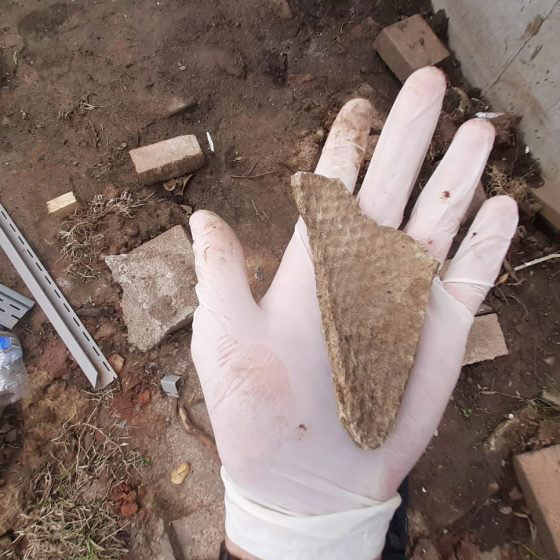
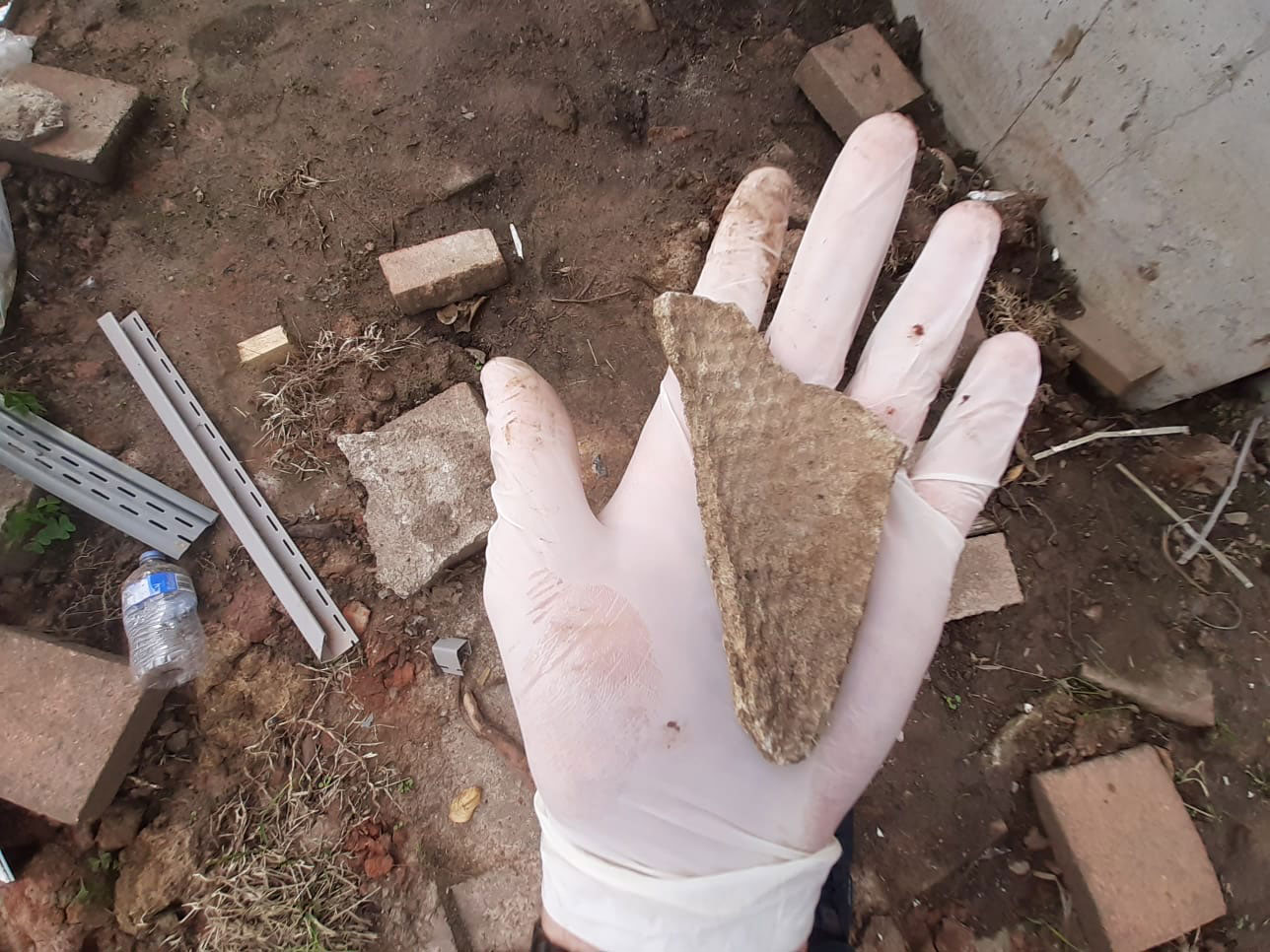
At EnviroX Consulting, we specialise and pride ourselves in pinpointing of where asbestos can be present in your home. This is done through the gathering of samples of not larger than of a 5-cent piece by our specially trained team of Occupational Hygienists. Our team will be able to identify, retrieve and courier samples directly to a NATA–accredited laboratory so that results can be reliable and accurate.
It is a requirement under the current legislative codes of practice that the removal of any ACM greater than 10 square metres, it is to be undertaken by a licensed Asbestos Removalist with the required licenses, tickets and PPE – which we can also organise and provide for if required.
Our staff can also determine the overall condition of the suspect material onsite, which would then lead to the decision-making process of how and what measures should be emplaced after the assessment.
If you are uncertain about when your home may be built, it may or may not contain the material. Please do get in touch, as it can easily go undetected. Our specialised and trained asbestos inspection consultants can provide this service to prompt an immediate result.
Where is Asbestos found?
Asbestos is harmful for your health
Services by stages
We can help you from start to finish your Asbestos Project
Our team provides comprehensive asbestos testing services throughout every phase of your project.
- Step 1: Site Inspection — We conduct a thorough survey to identify suspect materials and collect samples safely.
- Step 2: Laboratory Testing — Samples are carefully analysed by our NATA-accredited laboratory partners for fast and accurate results.
- Step 3: Removal Coordination — If hazardous materials are discovered, we can help organise licensed removalists for you.
- Step 4: Final Clearance — Following removal, we conduct air monitoring and a final asbestos clearance inspection to certify your site is completely safe for re-occupancy.
Factors affecting asbestos removal costs
Several factors that can impact the cost of removing asbestos include:
- The amount of asbestos present in your property will lead to an increase in price. The more asbestos, the longer the removal process will take and, therefore, the more it will cost in the long run.
- Friable asbestos requires much more intensive containment and specialised safety equipment than non-friable bonded products.
- If the material is located in difficult-to-reach areas like high roof cavities or cramped subfloors, the additional labour time will increase the total.
- Transporting hazardous waste to licensed facilities involves specific tipping fees and levies that vary depending on the distance and weight of the load.
FAQs
Frequently asked questions
When do I need an asbestos inspection in Sydney for my home or property?
You require an inspection if you plan to renovate, drill or demolish any part of a Sydney property built before 2004. Since many buildings used hazardous materials until the national ban at the end of 2003, professional testing for asbestos is the only way to ensure safety and comply with NSW health and safety regulations.
What is the process for asbestos testing and inspections with EnviroX Consulting?
Our asbestos testing service begins with a site visit where a trained consultant identifies and collects samples of suspect materials for analysis at a NATA-accredited laboratory. Once a removal project is finished, we conduct the asbestos inspection in Sydney required to verify the area is safe for re-occupancy and provide a formal clearance certificate.
How long does an asbestos inspection and report take to complete?
A standard residential inspection in Sydney typically takes about 2 hours on-site. Once samples are retrieved and laboratory results are confirmed, we deliver a comprehensive report within 24 to 72 hours.
Can EnviroX Consulting identify asbestos in houses built before 2004?
Yes, our team specialises in testing for asbestos in properties built during all eras, including those constructed between 1990 and 2004. While less common in newer builds, hazardous materials can still be present in various components.
Who is legally allowed to remove asbestos materials after an inspection in Australia?
In Australia, any amount of friable asbestos or more than 10 square metres of non-friable asbestos must be removed by a licensed professional in accordance with SafeWork NSW asbestos removal requirements.