
Environment

Interpreting Air Monitoring Results: What Clients Need to Know

Interpreting Air Monitoring Results: What Clients Need to Know 700 467 Envirox

Air monitoring for silica dust provides critical data about worker exposure, but the results are only useful if interpreted correctly. Misunderstanding them can put workers at risk and lead to compliance issues.

Key Points for Clients

  1. Compare to the WES
  • The Workplace Exposure Standard (0.05 mg/m³) sets the maximum safe level over an 8-hour shift.
  • Results above this indicate high-risk conditions requiring immediate action.
  1. Understand Monitoring Types
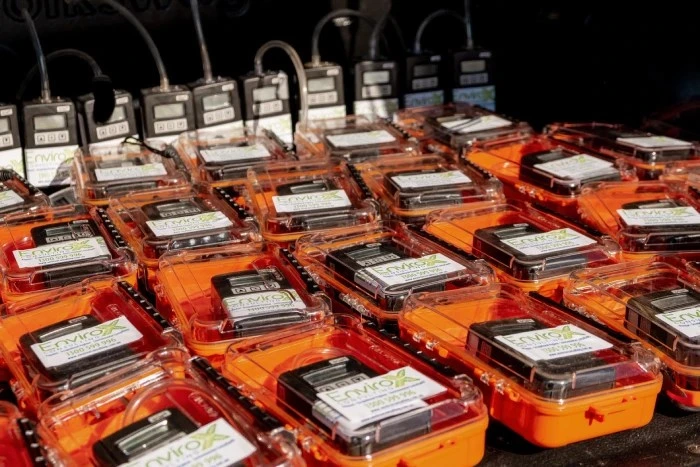
  • Personal monitoring: Measures exposure for individual workers.
  • Static monitoring: Measures dust in a specific area.
  • Both types help assess risk and effectiveness of controls.
  1. Consider Work Context
  • Short-term spikes may occur during specific tasks but can still be hazardous.
  • Continuous monitoring over multiple shifts provides a complete exposure profile.
  1. Use Results to Guide Controls
  • High readings may require additional engineering controls, PPE, or changes to work methods.
  • Low readings confirm current controls are effectively reducing risk, but ongoing monitoring may still be required.

Key Takeaway

Air monitoring results are more than numbers. With expert interpretation by an occupational hygienist, they guide safe work practices, regulatory compliance, and worker protection.

How Often Should Air Monitoring Be Conducted on Construction Sites?

How Often Should Air Monitoring Be Conducted on Construction Sites? 700 467 Envirox

How Often Should Air Monitoring Be Conducted on Construction Sites?

Air monitoring is essential for managing silica dust exposure, but knowing how often to test is key to protecting workers and maintaining compliance.

Factors Influencing Monitoring Frequency

  1. Type of Work – High-risk activities like cutting, grinding, or demolition of silica-containing materials require more frequent monitoring.
  2. Duration and Intensity – Longer shifts or continuous dust-generating tasks increase the need for repeated testing.
  3. Control Measures in Place – Sites with robust engineering controls may require less frequent monitoring than those relying mainly on PPE.
  4. Regulatory Requirements – NSW WHS codes recommend monitoring whenever there is potential exposure to respirable crystalline silica.

Recommended Approach

  • Initial baseline monitoring to determine exposure levels
  • Regular monitoring during ongoing high-risk activities
  • Follow-up monitoring if work practices, materials, or controls change

Why It Matters

Monitoring ensures that exposure stays below the Workplace Exposure Standard (0.05 mg/m³). It also provides evidence of compliance, validates control measures, and identifies if additional protections are needed.

Key Takeaway

There is no “one-size-fits-all” frequency for silica air monitoring. An occupational hygienist can design a monitoring plan tailored to your site, protecting workers and ensuring compliance under NSW WHS laws.

silica

Respirable Crystalline Silica vs Nuisance Dust – What’s the Difference?

Respirable Crystalline Silica vs Nuisance Dust – What’s the Difference? 1363 535 Envirox

Respirable Crystalline Silica vs Nuisance Dust – What’s the Difference?

Not all dust is equally hazardous. On construction sites, it’s important to distinguish between respirable crystalline silica (RCS) and ordinary nuisance dust to manage risks effectively.

Respirable Crystalline Silica (RCS)

  • Small particles (<10 microns) that can penetrate deep into the lungs
  • Found in concrete, stone, masonry, and engineered stone
  • Exposure can cause silicosis, lung cancer, and chronic respiratory disease
  • Strictly regulated under NSW WHS laws

Nuisance Dust

  • Larger particles that generally settle quickly
  • Can cause temporary irritation to the eyes, nose, or throat
  • Not associated with long-term lung disease
  • Still requires good housekeeping and dust control to prevent slips, falls, and discomfort

Why the Difference Matters

  • Controls for nuisance dust (e.g., sweeping or basic PPE) are usually insufficient for RCS.
  • Only targeted control measures, monitoring, and compliance strategies can protect workers from silica-related health risks.

Key Takeaway

Understanding the difference between nuisance dust and respirable crystalline silica is critical. If your site generates silica dust, an occupational hygienist can assess exposure, recommend controls, and ensure compliance, keeping workers safe and your project on track.

Common Mistakes in Silica Dust Control on Construction Sites

Common Mistakes in Silica Dust Control on Construction Sites 2560 1920 Envirox

Common Mistakes in Silica Dust Control on Construction Sites

Silica dust is one of the most significant occupational hazards on construction sites. Even with awareness, mistakes in dust control are common—and they put workers’ health at serious risk.

  1. Relying Only on PPE

Personal protective equipment (PPE) like respirators is important, but it should never be the sole control. Engineering and administrative controls are far more effective at reducing exposure at the source.

  1. Inadequate Wet Methods or Ventilation
  • Using water suppression incorrectly or not at all during cutting, grinding, or drilling
  • Poorly positioned extraction systems that fail to capture dust
  1. Not Identifying High-Risk Tasks

Failing to recognise which activities generate respirable crystalline silica can leave workers unprotected and overexposed.

  1. Skipping Air Monitoring

Without proper air monitoring, you cannot know if dust levels are above the Workplace Exposure Standard (0.05 mg/m³). Assumptions are not a substitute for data.

  1. Poor Training and Awareness

Workers unaware of silica risks may:

  • Remove PPE incorrectly
  • Use unsafe work practices
  • Spread dust beyond the work area
  1. Insufficient Documentation

Lack of records for SWMS, control measures, or monitoring results can lead to regulatory non-compliance and make it difficult to prove safety measures were in place.

Key Takeaway

Effective silica dust control requires planning, monitoring, and layered controls, not just PPE. Engaging an occupational hygienist early helps identify high-risk activities, implement effective controls, and ensure compliance—protecting both workers and your project.

3m

When Do Silica Air Monitoring Results Trigger High-Risk Action?

When Do Silica Air Monitoring Results Trigger High-Risk Action? 650 650 Envirox

Silica dust can be invisible, but air monitoring provides objective data on exposure. Understanding when results indicate a high-risk situation is crucial for worker safety and compliance under NSW WHS laws.

What Air Monitoring Shows

Air monitoring measures respirable crystalline silica (RCS) in mg/m³. Results reflect:

  • The effectiveness of dust control measures
  • Workers’ actual exposure levels
  • Whether work practices are safe or need adjustment

Monitoring can be personal (worn by workers) or static (fixed location), depending on the activity.

When Results Indicate High Risk

High-risk action is generally required if monitoring shows exposure at or above the Workplace Exposure Standard (0.05 mg/m³) over an 8-hour shift. This may trigger:

  • Immediate review of work methods
  • Additional engineering controls, such as wet cutting or local exhaust ventilation
  • Provision of higher-grade PPE or respirators
  • Increased monitoring frequency

Even results below the WES can warrant caution if exposure patterns are intermittent or if vulnerable workers are present.

Why Timely Action Matters

Ignoring high readings can lead to:

  • Long-term health impacts for workers (silicosis, chronic lung disease)
  • Regulatory enforcement or stop-work notices
  • Increased liability and project delays

Key Takeaway

Air monitoring is not just a compliance formality—it is a critical tool for managing silica risk. Engaging an occupational hygienist ensures results are accurately interpreted, controls are effective, and workers remain safe.

Understanding the Workplace Exposure Standard (WES) for Silica

Understanding the Workplace Exposure Standard (WES) for Silica 2560 1440 Envirox

Respirable crystalline silica (RCS) is a major workplace hazard, but understanding how much exposure is too much is essential for protecting workers. That’s where the Workplace Exposure Standard (WES) comes in.

What Is the WES for Silica?

In NSW, the WES for RCS is 0.05 mg/m³ over an 8-hour workday. This means that the average exposure of a worker during a standard shift should not exceed this level.

The WES is designed to protect workers from long-term health impacts like:

  • Silicosis – irreversible lung scarring
  • Chronic bronchitis
  • Lung cancer

Even short-term exposures above this limit can be hazardous, especially if control measures are inadequate.

How Exposure Is Measured

Occupational hygienists measure silica exposure using:

  • Personal air monitoring (worker-worn devices)
  • Static air monitoring (fixed location sampling)
  • Dust analysis by accredited laboratories

These results are compared to the WES to determine whether additional control measures are needed.

Staying Compliant

Employers conducting tasks that generate silica dust must:

  • Identify high-risk silica work
  • Implement control measures (wet methods, ventilation, PPE)
  • Conduct regular air monitoring
  • Maintain records of results and controls

Key Takeaway

The WES provides a clear benchmark to keep silica exposure within safe limits. Early assessment, monitoring, and control implementation by an occupational hygienist are critical to protecting workers’ health and ensuring compliance under NSW WHS laws.

What Is High-Risk Silica Work in NSW?

What Is High-Risk Silica Work in NSW? 2560 1440 Envirox

Silica dust is a serious workplace hazard, but not all activities carry the same level of risk. In NSW, certain tasks are legally classified as “high-risk silica work” under Work Health and Safety (WHS) legislation. Understanding this classification is key to protecting workers and staying compliant.

Defining High-Risk Silica Work

High-risk silica work includes activities where respirable crystalline silica (RCS) exposure is likely to exceed the Workplace Exposure Standard (0.05 mg/m³). Common examples include:

  • Cutting, grinding, or drilling concrete, masonry, or stone
  • Manufacturing or handling engineered stone products
  • Demolition of silica-containing structures
  • Abrasive blasting or sandblasting

These activities generate fine dust that can penetrate deep into the lungs, making exposure particularly hazardous.

Requirements for High-Risk Silica Work

When work is classified as high-risk, employers must:

  • Conduct a risk assessment and prepare a Safe Work Method Statement (SWMS)
  • Implement effective dust control measures, such as wet cutting, ventilation, or HEPA-filtered extraction
  • Provide appropriate personal protective equipment (PPE), including respirators
  • Arrange air monitoring by a qualified occupational hygienist
  • Train workers and maintain records of monitoring and controls

Why Compliance Matters

Failure to properly manage high-risk silica work can lead to:

  • Serious health impacts for workers
  • Regulatory enforcement, fines, or stop-work orders
  • Increased liability and reputational risk

Key Takeaway

High-risk silica work is heavily regulated for a reason. Identifying the tasks that generate respirable silica, controlling exposure, and engaging an occupational hygienist ensures worker safety and compliance under NSW WHS laws.

silica

Silica Dust Explained: Health Risks, Monitoring, and NSW Compliance

Silica Dust Explained: Health Risks, Monitoring, and NSW Compliance 1363 535 Envirox

Silica dust is a common hazard on construction, demolition, and earthworks sites. When inhaled, fine crystalline silica particles can cause serious lung diseases, including silicosis, chronic bronchitis, and even lung cancer. Unlike visible dust, silica can remain airborne for hours, making exposure easy if controls are inadequate.

Health Risks

Workers exposed to respirable crystalline silica (RCS) over time can suffer permanent lung damage. Symptoms may develop slowly, and once disease occurs, it is irreversible. Minimising exposure is essential to protect health.

Monitoring

Occupational hygienists assess exposure using:

  • Air monitoring (personal and static)
  • Dust sampling and analysis
  • Real-time dust monitoring for high-risk activities

Monitoring ensures exposure levels stay within the Workplace Exposure Standard (WES) of 0.05 mg/m³ in NSW. Accurate measurement also helps verify the effectiveness of dust control measures like wet methods, ventilation, or PPE.

NSW Compliance

Silica dust is regulated under Work Health and Safety (WHS) laws. Employers must:

  • Identify high-risk silica work
  • Implement a control plan (Silica Risk Control Plan or SWMS)
  • Monitor exposure
  • Maintain records and provide worker training

Failing to comply can result in regulatory enforcement, fines, and serious worker harm.

Key Takeaway

Silica dust is invisible but highly dangerous. Early engagement with an occupational hygienist ensures health risks are assessed, monitored, and controlled, keeping workers safe and projects compliant.

What Does an Occupational Hygienist Do? (And When Do You Need One?)

What Does an Occupational Hygienist Do? (And When Do You Need One?) 1288 966 Envirox

Workplace hazards aren’t always visible. Dust, chemical vapours, asbestos, and contaminated soil can pose serious long-term health risks if not managed properly. This is where an Occupational Hygienist comes in.

An occupational hygienist identifies, measures, and controls workplace health risks. They assess exposure to hazards like silica, asbestos, lead, noise, and other environmental contaminants, then provide recommendations to protect workers and ensure compliance with WHS legislation.

Key Roles:

  • Hazard Identification: Spotting risks on construction, demolition, or industrial sites.
  • Exposure Assessment: Conducting air, surface, and material sampling.
  • Compliance Advice: Interpreting results against exposure standards and regulations.
  • Control Recommendations: Implementing engineering, administrative, and PPE controls.
  • Documentation: Producing reports, clearance certificates, and verification records.

When to Engage One:

  • Before, during, or after works with dust, asbestos, or chemical risks.
  • During site contamination assessments or remediation.
  • When responding to council, regulator, or client requirements.
  • To support WHS risk management and due diligence.

Engaging an occupational hygienist early protects workers, ensures compliance, and reduces costly delays. They turn unseen hazards into manageable risks — keeping people safe and projects on track.

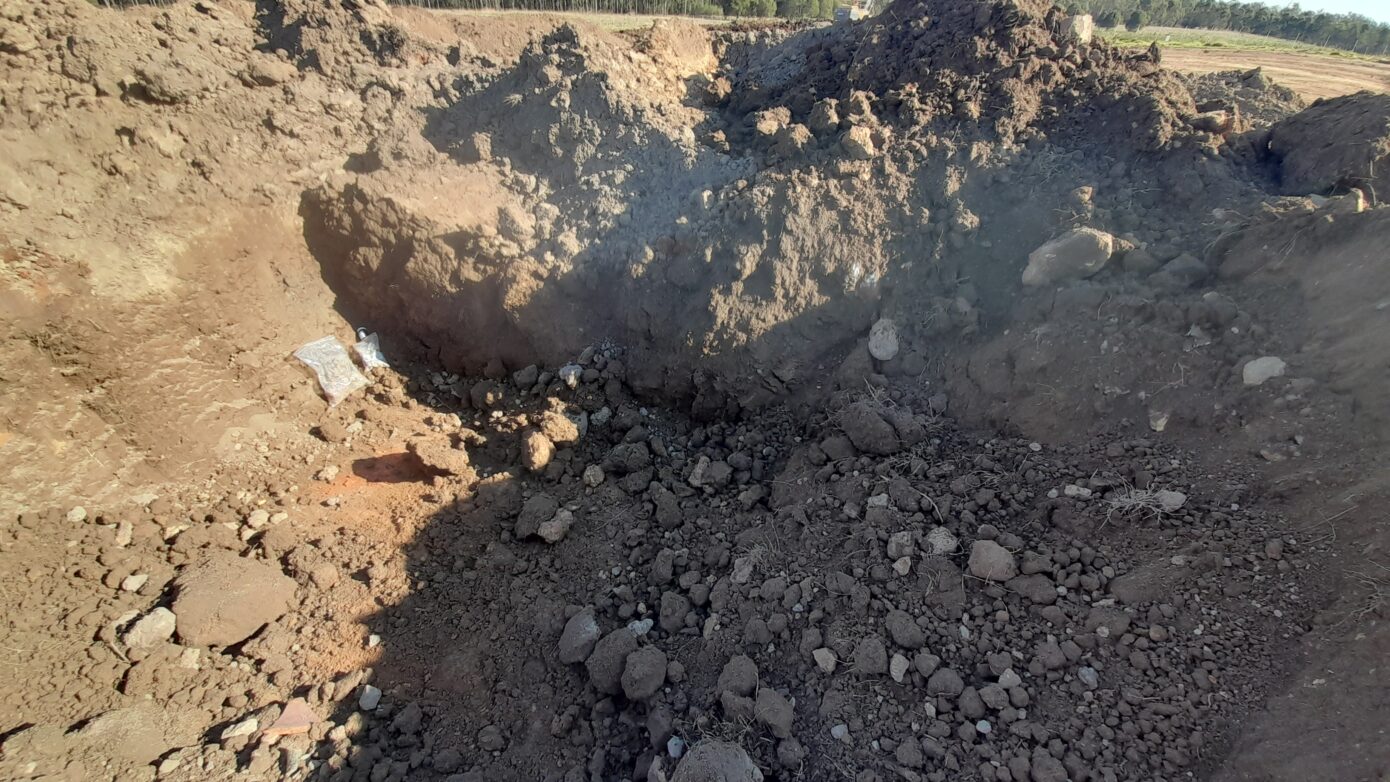
Excavated soil in NSW under waste classification assessment

Understanding Waste and Soil Classification in NSW: Regulations & Importance

Understanding Waste and Soil Classification in NSW: Regulations & Importance 2560 1920 Envirox

In New South Wales (NSW), Australia, waste and soil classification is an important process that helps determine the nature and potential environmental impact of materials. The classification is typically carried out to comply with regulatory requirements and to ensure proper management and disposal of waste. Here are some scenarios and reasons when you might need to have a waste and soil classification done:

1. Waste Disposal:

   – Before disposing of any waste material, it is important to classify it to determine whether it poses any environmental risks.

   – Different types of waste have different disposal requirements, and the classification helps in choosing the appropriate disposal method.

2. Construction and Development:

   – Soil classification is often required during construction and development projects.

   – This helps in assessing whether the soil at the site is suitable for its intended use or if any remediation is necessary.

3. Contaminated Sites:

   – Sites that may have been contaminated due to past industrial activities or other sources may require soil classification to assess the extent and nature of contamination.

   – This information is crucial for planning and implementing remediation measures.

4. Environmental Impact Assessment:

   – Environmental impact assessments (EIAs) may require soil classification to understand the potential impact of a project on the surrounding environment.

   – This is particularly relevant for projects that involve excavation, land disturbance, or waste generation.

5. Compliance with Regulations:

   – Various environmental regulations and guidelines require the classification of waste and soil to ensure compliance with standards.

   – Compliance with these regulations is essential to avoid legal implications and penalties.

The categories for waste and soil classification can vary depending on the specific regulations and guidelines in place. In NSW, waste is commonly classified into categories such as:

1. General Solid Waste (Class I):

   – Non-hazardous waste that doesn’t pose a significant risk to health or the environment.

   – Examples include household waste and certain construction debris.

2. Putrescible Waste (Class II):

   – Organic waste that can decompose and produce odours.

   – Includes food waste and green waste.

3. Non-Putrescible Solid Waste (Class III):

   – Non-organic waste that doesn’t decompose easily.

   – Includes materials like concrete, bricks, and certain plastics.

4. Hazardous Waste (Classes IV (Solid) and V (Liquid)):

   – Waste that poses a risk to human health or the environment due to its chemical or physical properties.

   – Examples include certain chemicals, pesticides, and contaminated soils.

5. Special Waste (Class VI):

   – Waste that doesn’t fit into the other categories.

   – This category may include waste with specific handling and disposal requirements.

For soil classification, the categorisation may involve assessing factors such as soil type, contamination levels, and suitability for specific land uses. The specific categories and criteria will depend on the purpose of the classification and the applicable regulations in NSW. It’s advisable to consult with environmental professionals or regulatory authorities to ensure accurate and compliant waste and soil classification.

Get a quote

Need us to inspect, monitor or provide clearance for hazardous material?