
Environment

Why Asbestos Testing & Inspection Are Crucial For Safe Environments In Sydney

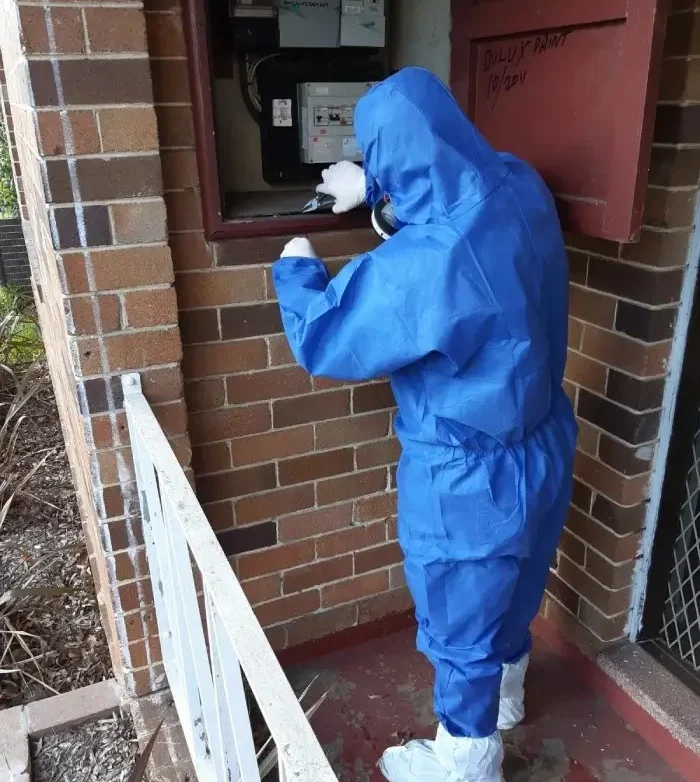
Why Asbestos Testing & Inspection Are Crucial For Safe Environments In Sydney 1536 1024 Envirox

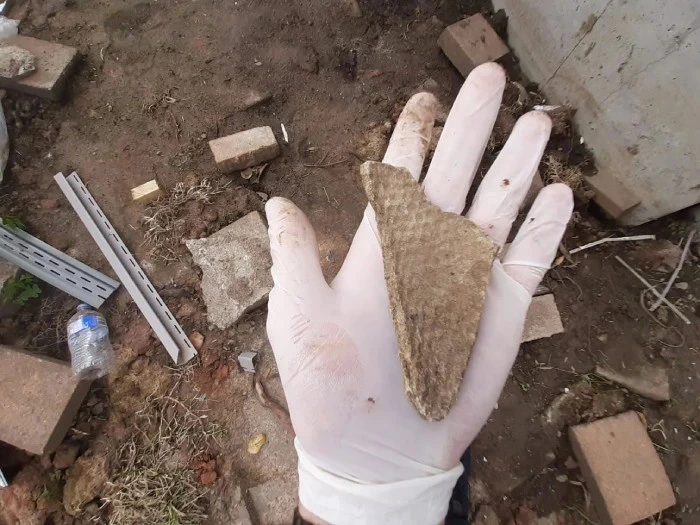
Many properties built before the late 1980s still contain asbestos in materials such as roofing sheets, insulation, cement panels and flooring. When these materials are disturbed during repairs or redevelopment, hazardous fibres can be released into the air.

Because asbestos fibres are microscopic, they cannot be confirmed through visual checks alone. Professional asbestos testing in Sydney and a qualified asbestos inspection provide the only reliable way to determine whether asbestos is present and assess the level of risk.

Identifying asbestos before renovation or demolition work begins allows property owners to plan safe management or removal strategies from the outset.

Why asbestos in older Sydney buildings still poses health risks

The main danger of asbestos in older buildings in Sydney comes from the fibres released when asbestos-containing materials are damaged or disturbed. Activities such as drilling, sanding, cutting or demolition can release microscopic asbestos fibres into the air. Once inhaled, these fibres can become trapped in the lungs and remain there for decades.

Exposure to asbestos has been linked to serious diseases, including mesothelioma, lung cancer and asbestosis. These illnesses often develop many years after exposure, which is why identifying asbestos early and managing it safely is critical for protecting workers, building occupants and contractors.

Asbestos inspection requirements in NSW

Asbestos management in New South Wales is governed by workplace health and safety legislation designed to protect workers and the public. Property owners and employers must take reasonable steps to identify asbestos hazards and manage them safely.

For many commercial and public buildings, maintaining an asbestos register and arranging periodic inspections are part of compliance obligations. A professional asbestos inspection from environmental consultants helps identify asbestos-containing materials and provides the documentation needed for safe building management.

How asbestos testing and inspection work in Sydney

Professional asbestos assessments follow a structured process designed to identify hazards accurately while minimising disturbance to building materials. The process typically involves site inspection, sampling and independent laboratory analysis.

Inspectors begin by examining areas where asbestos was historically used in construction.

During an inspection, specialists typically assess:

  • building age and construction methods
  • locations where asbestos products were commonly installed
  • the condition and accessibility of suspect materials
  • signs of deterioration or previous renovation work

These observations help determine whether samples should be collected for laboratory analysis.

How asbestos samples are tested in laboratories

Once samples are collected, they are sent to accredited laboratories, which use specialised equipment to determine whether asbestos fibres are present.

Laboratory analysis ensures results are scientifically verified and removes uncertainty for property owners and project managers.

Asbestos inspection reports inclusions

Following testing, a detailed report outlines the findings of the inspection and provides practical guidance for next steps.

Professional inspection reports generally include:

  • The location of asbestos-containing materials within the building
  • The condition and potential risk level of each material
  • Laboratory confirmation of fibre identification
  • Recommendations for monitoring, management or removal

Clear reporting supports safe planning for renovation or maintenance work.

How environmental consultants manage asbestos risks

Experienced environmental consultants help property owners interpret laboratory results and determine appropriate risk management strategies.

These specialists coordinate inspections, risk assessments and laboratory analysis. They ensure asbestos hazards are identified and managed according to industry standards.

Why professional asbestos testing in Sydney protects people and property

Professional asbestos assessments provide the certainty needed before starting renovation, demolition or major maintenance work. Identifying hazardous materials early helps prevent accidental exposure and allows projects to proceed safely and efficiently.

Specialist consultants have the training, equipment and laboratory support required to detect asbestos accurately and recommend practical management solutions.

If you suspect asbestos may be present or need testing before construction begins, professional assessment is essential. EnviroX Consulting provides reliable identification, risk assessment and expert advice across Sydney. Contact our team today to arrange a consultation and ensure your property remains safe and compliant.

What Is a Preliminary Site Investigation (PSI)?

What Is a Preliminary Site Investigation (PSI)? 1288 966 Envirox

What Is a Preliminary Site Investigation (PSI)?

A Preliminary Site Investigation (PSI) is the first step in assessing a property for contamination risks. It provides property owners, developers, and regulators with essential information to make informed decisions about land use, redevelopment, or remediation.

Purpose of a PSI

The PSI aims to:

  • Identify potential sources of contamination, such as historic industrial use, fuel storage, or chemical spills
  • Gather information from historical records, aerial imagery, and site inspections
  • Assess whether further investigation is required, such as a Detailed Site Investigation (DSI)

Typical Components of a PSI

  1. Site History Review – Understanding previous land use and any hazardous materials stored or used on-site
  2. Visual Inspection – Identifying visible signs of contamination or environmental concern
  3. Regulatory and Database Searches – Checking for records of contamination, environmental orders, or nearby industrial activities
  4. Preliminary Risk Assessment – Highlighting areas that may pose health or environmental risks

Why a PSI Is Important

  • Informs planning and development decisions
  • Identifies potential liability before property purchase or redevelopment
  • Supports regulatory compliance and environmental due diligence

Key Takeaway

A Preliminary Site Investigation is a critical first step in managing land contamination risks. Engaging an environmental consultant ensures that the PSI is thorough, defensible, and aligned with NSW guidelines, providing confidence for safe land use and future development.

How Clearance Certificates Protect Property Owners

How Clearance Certificates Protect Property Owners 1024 404 Envirox

How Clearance Certificates Protect Property Owners

When asbestos, lead, or other hazardous materials are removed or remediated from a property, a clearance certificate is a critical document that provides assurance of safety and compliance.

What Is a Clearance Certificate?

A clearance certificate is issued by a qualified occupational hygienist after verification that:

  • All hazardous materials have been safely removed or managed
  • Air and surface testing confirms contaminant levels are within regulatory limits
  • The site is safe for re-occupancy or ongoing use

Why Property Owners Need Them

  1. Proof of Compliance: Demonstrates that remediation met NSW Work Health and Safety laws and SafeWork Australia guidelines.
  2. Protects Occupants and Workers: Confirms the environment is free from dangerous asbestos fibres, lead dust, or other contaminants.
  3. Reduces Liability: Provides defensible documentation in the event of future legal or insurance inquiries.
  4. Supports Property Transactions: Essential when selling, leasing, or redeveloping buildings, as it reassures buyers, tenants, and regulators.

How Clearance Is Conducted

  • Visual inspection and surface sampling to detect residual contaminants
  • Air monitoring for airborne fibres or dust
  • Documentation detailing methods, results, and verification of safe conditions

Key Takeaway

Clearance certificates are more than paperwork—they are legal protection and peace of mind for property owners. Engaging an occupational hygienist ensures that remediation is verified, documented, and fully compliant, safeguarding both people and property.

What Happens If Asbestos Is Accidentally Disturbed?

What Happens If Asbestos Is Accidentally Disturbed? 700 525 Envirox

What Happens If Asbestos Is Accidentally Disturbed?

Accidental disturbance of asbestos-containing materials (ACMs) is a serious workplace hazard. Even a small disturbance can release microscopic fibres that are highly dangerous if inhaled.

Immediate Actions

  1. Stop Work: Cease all activities in the affected area immediately.
  2. Isolate the Area: Prevent access to workers, occupants, or the public to reduce exposure.
  3. Notify Authorities: Follow workplace reporting procedures and, if required, notify SafeWork NSW.
  4. Engage a Qualified Professional: An occupational hygienist or licensed asbestos assessor should assess the situation.

Risk Assessment and Remediation

  • The hygienist will conduct air monitoring to determine fibre levels.
  • Contaminated surfaces may require clean-up or encapsulation.
  • Any removal of asbestos containing materials must be done by licensed asbestos removalists.

Health Considerations

Even brief exposure to airborne asbestos can be dangerous over time, contributing to diseases such as asbestosis, lung cancer, and mesothelioma. Medical consultation and ongoing monitoring may be recommended for affected personnel.

Key Takeaway

Accidental disturbance of asbestos is a serious health and compliance issue. Immediate containment, professional assessment, and corrective action are essential to protect workers, occupants, and your project’s legal standing.

The Difference Between Friable and Non-Friable Asbestos

The Difference Between Friable and Non-Friable Asbestos 1200 807 Envirox

The Difference Between Friable and Non-Friable Asbestos

Asbestos is a hazardous material, but not all asbestos-containing materials (ACMs) pose the same level of risk. Understanding the difference between friable and non-friable asbestos is essential for safe handling and compliance.

Friable Asbestos

  • Definition: Can be easily crumbled or reduced to powder by hand.
  • Examples: Sprayed asbestos insulation, loose-fill asbestos, some ceiling or wall coatings.
  • Risk: Fibres are easily released into the air, making inhalation highly dangerous.
  • Regulatory requirement: Removal usually requires licensed asbestos removalists.

Non-Friable Asbestos

  • Definition: Bonded asbestos that cannot be easily crumbled.
  • Examples: Asbestos cement sheeting, vinyl floor tiles, roofing sheets.
  • Risk: Fibres are less likely to become airborne unless the material is cut, drilled, or sanded.
  • Handling: May sometimes be managed in situ with proper controls, but disturbance still requires risk assessment.

Key Takeaway

Friable asbestos is high-risk and strictly regulated, while non-friable asbestos is generally lower risk but still dangerous if disturbed. Engaging an occupational hygienist ensures proper identification, risk assessment, and management to protect workers and comply with NSW WHS laws.

Common Asbestos Mistakes Made During Renovations

Common Asbestos Mistakes Made During Renovations 1200 807 Envirox

Asbestos remains a hidden hazard in many older buildings. During renovations, mistakes in handling or identifying asbestos can lead to serious health risks and regulatory breaches.

  1. Assuming Materials Are Safe

Many renovators assume asbestos is no longer present. Any material installed before the mid-1980s could contain asbestos, so a proper asbestos survey is essential before starting work.

  1. Disturbing Materials Without a Plan

Cutting, drilling, or sanding asbestos-containing materials (ACMs) without controls or PPE can release dangerous fibres into the air.

  1. Skipping Asbestos Removal Licenses

Some works require licensed asbestos removalists, particularly for friable asbestos. Failing to use a licensed professional is illegal and highly unsafe.

  1. Inadequate Containment

Not isolating work areas or controlling dust can spread asbestos fibres beyond the renovation site, putting workers and occupants at risk.

  1. Poor Waste Management

Improper disposal of ACMs at standard waste facilities is illegal. Asbestos must be double-bagged, labelled, and disposed of at licensed facilities.

Key Takeaway

Renovating older buildings without proper asbestos management is risky. Engaging an occupational hygienist to survey, advise, and oversee asbestos control ensures health, safety, and legal compliance.

lead

Understanding Lead Dust Clearance Criteria in NSW

Understanding Lead Dust Clearance Criteria in NSW 1600 1068 Envirox

Understanding Lead Dust Clearance Criteria in NSW

Lead dust can pose serious health risks if not properly managed. After remediation or clean-up works, it is essential to verify that lead levels are safe before allowing re-occupancy. This is done using lead dust clearance criteria in NSW.

What Are Lead Dust Clearance Criteria?

Clearance criteria define the maximum allowable surface dust levels for lead after cleaning or remediation. In NSW, guidance from the CLP Tool Kit (2010) sets these limits:

  • Interior floors: ≤ 1 mg/m²
  • Interior elevated surfaces: ≤ 5 mg/m²
  • Exterior surfaces: ≤ 8 mg/m²

Meeting these levels ensures that the site is safe for workers, residents, or building occupants.

How Clearance Is Assessed

  • Sampling: Dust samples are collected from floors, surfaces, and elevated areas.
  • Laboratory analysis: Accredited labs determine the lead concentration.
  • Comparison to limits: Results are compared to the clearance criteria to confirm safe levels.

Why Clearance Testing Is Important

  • Confirms that clean-up was effective
  • Protects workers and residents from ongoing exposure
  • Provides regulatory compliance evidence
  • Reduces risk of liability or enforcement action

Key Takeaway

Lead dust clearance criteria are a critical part of safe site management. Engaging an occupational hygienist ensures that dust levels are properly tested, documented, and verified, protecting both health and compliance under NSW regulations.

Lead

Lead Dust in Buildings: Health Risks and Safe Limits

Lead Dust in Buildings: Health Risks and Safe Limits 386 386 Envirox

Lead Dust in Buildings: Health Risks and Safe Limits

Lead is a hazardous metal commonly found in older buildings, particularly in paint, plumbing, and dust. Even small amounts of lead dust can pose serious health risks, especially to children and workers exposed during renovation or maintenance.

Health Risks

Exposure to lead dust can cause:

  • Neurological effects (memory loss, developmental delays in children)
  • Kidney damage
  • Reproductive harm
  • Fatigue, headaches, and high blood pressure in adults

Inhaling or ingesting lead dust—even in trace amounts—can have long-term health consequences.

Safe Limits

The CLP Tool Kit (2010) and NSW guidance set the following surface dust limits for lead:

  • Interior floors: ≤1 mg/m²
  • Interior elevated surfaces: ≤5 mg/m²
  • Exterior surfaces: ≤8 mg/m²

These limits are used to determine whether clean-up or remediation is required and to validate the effectiveness of control measures.

Managing Lead Dust

  • Conduct a lead hazard assessment before renovation or demolition.
  • Use wet cleaning, HEPA vacuuming, and containment to prevent dust spread.
  • Engage an occupational hygienist to perform sampling, monitoring, and clearance testing.
  • Ensure workers are trained and equipped with appropriate PPE.

Key Takeaway

Lead dust is highly toxic but manageable with proper assessment and control. Early involvement of an occupational hygienist ensures compliance with NSW guidance, protects worker health, and reduces the risk of costly remediation.

When Is an Asbestos Register Legally Required in NSW?

When Is an Asbestos Register Legally Required in NSW? 1599 1200 Envirox

When Is an Asbestos Register Legally Required in NSW?

An Asbestos Register is a key document for managing asbestos-containing materials (ACMs) in buildings and workplaces. Under NSW Work Health and Safety (WHS) laws, it is a legal requirement whenever asbestos is present.

What Is an Asbestos Register?

An asbestos register is a record of all known or presumed asbestos-containing materials on a site. It typically includes:

  • Location of ACMs (e.g., walls, ceilings, roofing, pipes)
  • Type of asbestos (friable or non-friable)
  • Condition of the material (good, damaged, or deteriorating)
  • Risk management recommendations

When Is It Legally Required?

In NSW, an asbestos register must be maintained if the building contains asbestos. Key situations include:

  1. Workplaces with ACMs – Employers must provide the register to workers and contractors.
  2. Before demolition or refurbishment – Contractors must check the register and manage asbestos accordingly.
  3. During property transactions – For commercial and some residential buildings, an asbestos register may be requested to demonstrate due diligence.

Responsibilities

  • Duty holders (employers, building owners, or PCBUs) must maintain, review, and update the register whenever ACMs are discovered, removed, or disturbed.
  • Workers must access the register before beginning work that could disturb asbestos.

Key Takeaway

An asbestos register is more than paperwork; it is a critical tool for protecting workers and occupants. Engaging an occupational hygienist ensures that the register is accurate, up-to-date, and compliant with NSW WHS legislation.

Asbestos vs Silica – Key Differences in Risk and Compliance

Asbestos vs Silica – Key Differences in Risk and Compliance 1200 807 Envirox

Asbestos vs Silica – Key Differences in Risk and Compliance

Asbestos and silica are two of the most common hazardous materials encountered on construction and renovation sites. While both pose serious health risks, understanding their differences is essential for effective risk management and compliance.

Health Risks

  • Asbestos: Inhalation of asbestos fibres can cause asbestosis, lung cancer, and mesothelioma. Fibres can remain in the lungs for decades, making exposure extremely dangerous even at low levels.
  • Silica: Respirable crystalline silica can cause silicosis, chronic bronchitis, and lung cancer. Unlike asbestos, silica dust often arises during cutting, grinding, or demolition of concrete, stone, or masonry.

Exposure Characteristics

  • Asbestos: Fibres are often hidden in building materials like wall sheeting, roofing, and insulation. Exposure typically occurs when materials are disturbed during demolition or renovations.
  • Silica: Dust is generated during active work on silica-containing materials and can remain airborne, affecting anyone nearby.

Regulatory Compliance

  • Asbestos: NSW WHS laws require a survey and Asbestos Register before demolition or refurbishment. Licensed removal may be required for certain types of asbestos.
  • Silica: High-risk silica work requires risk assessments, control measures, air monitoring, and SWMS under WHS regulations.

Key Takeaway

While both asbestos and silica are serious hazards, they differ in source, exposure pathways, and regulatory requirements. Engaging a qualified occupational hygienist ensures that both risks are properly assessed, monitored, and controlled, keeping workers and occupants safe.

Get a quote

Need us to inspect, monitor or provide clearance for hazardous material?